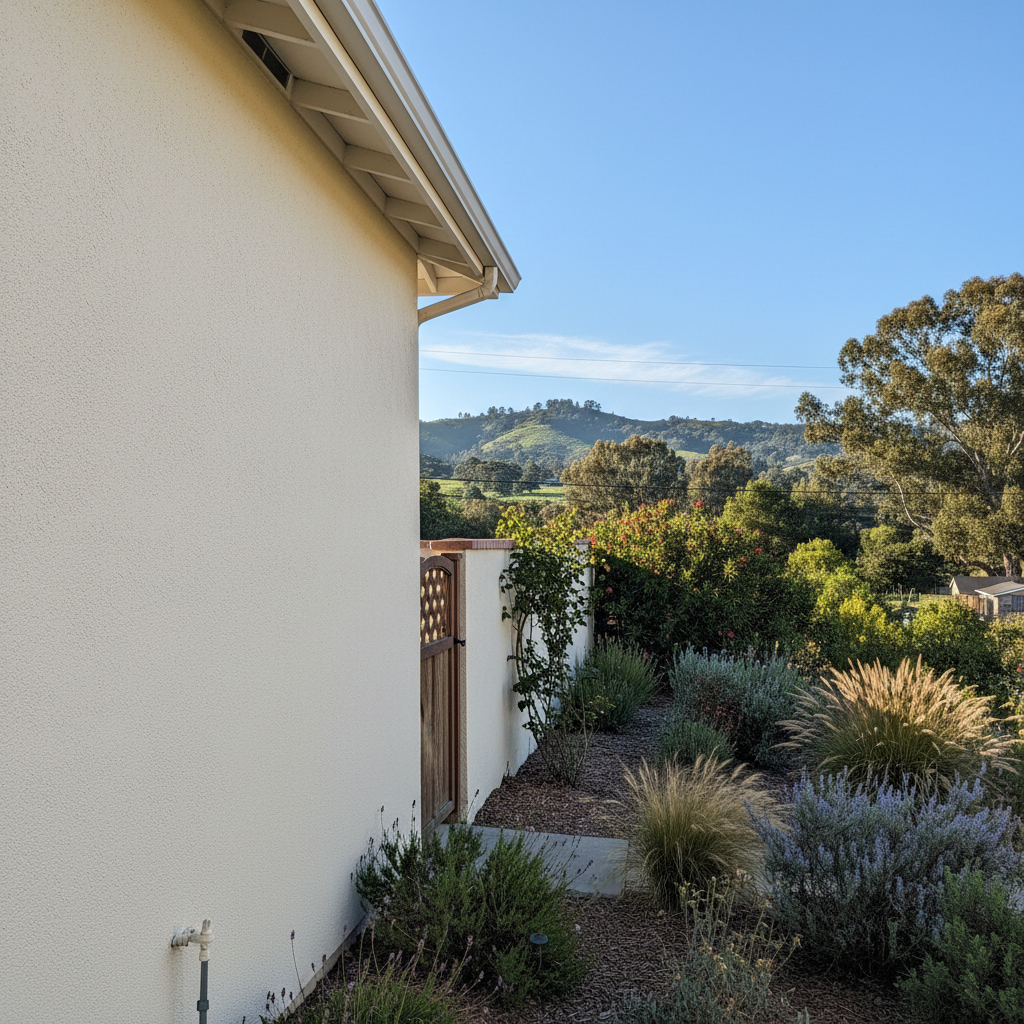
You've got stucco on your home, and you want it to last. Smart move. When it's done right, stucco is an incredibly tough, low-maintenance exterior. But "low-maintenance" doesn't mean "no maintenance," especially here in Santa Cruz. We deal with that salty air, foggy mornings, and sometimes really heavy winter rains, you know? A little bit of proactive care now can save you from big, expensive headaches later.
Making Your Stucco Last Longer
The single most important thing you can do to extend your stucco's life is to manage water. Stucco is built to shed water, not soak it up. Any spot where water can sneak behind the stucco is a potential disaster waiting to happen. That means keeping your gutters clean and in good shape. If they're overflowing, water is just sheeting down your walls, soaking the stucco, and probably finding its way into tiny cracks or behind trim. Make absolutely sure your downspouts send water far away from your foundation.
And hey, take a look at your landscaping too. Sure, it looks nice, but shrubs and trees growing right up against your stucco can trap moisture. This stops the stucco from drying out properly and can even physically damage the surface over time. Give your stucco some breathing room, okay? I've seen plenty of homes in the Live Oak area where overgrown bushes have caused constant dampness, leading to mildew and even rot hiding behind the stucco.
Paint is another big one. If your stucco is painted, using a high-quality, breathable elastomeric paint can give it an extra layer of protection and flexibility. It helps bridge those tiny hairline cracks and keeps water out. Don't cheap out on paint; that's just throwing money away in the long run.
What Does Regular Stucco Maintenance Look Like?
Maintaining stucco is pretty straightforward, honestly. You don't need to be out there every single weekend, but a good once-over a couple of times a year is a really smart habit.
- Quick Visual Check: Take a walk around your house. Look closely at the stucco, especially around windows, doors, corners, and where it meets the ground. See any new cracks? Any weird discoloration? Are there spots that always look damp?
- Cleaning: Stucco can get dirty, no doubt about it. Especially on the north-facing sides or in shaded areas where mildew just loves to hang out. Usually, a gentle cleaning with a soft brush and a mild detergent (like dish soap) mixed with water does the trick. For tougher spots, a low-pressure power washer can work, but you have to be super careful. Too much pressure can damage the stucco surface and force water into places it shouldn't go. I'm talking about a pressure washer setting that's barely stronger than a garden hose, not one that can strip paint off a deck.
- Caulking Check: Go around and check the caulk around your windows, doors, and any other spots where things poke through your stucco. Caulk breaks down over time, especially with our coastal weather. If it's cracked, shrunken, or just plain missing, that's an open invitation for water. Re-caulk as needed with a good quality, flexible exterior caulk.
- Drainage Watch: After a good rain, take a peek at how water is behaving around your house. Are there puddles sitting right against the foundation? Are your gutters actually handling the flow?
Warning Signs of Trouble
Catching problems early is absolutely crucial. Here are some red flags that tell you something might be wrong:
- Cracks: Hairline cracks? Pretty common, usually not a huge deal. But if you spot cracks wider than a credit card, or if they're spreading out like a spiderweb, or if they're horizontal and stepping along mortar joints (if you have masonry underneath) — those are signs of potential structural issues or serious water getting in.
- Stains and Discoloration: Dark streaks, especially under windows or along the foundation, often mean water is consistently running down the wall in those exact spots. Green or black patches? That's usually mildew or algae, which points to persistent moisture.
- Bulging or Soft Spots: If you press on the stucco and it feels soft, or if you see areas that are bulging outwards, that's a serious sign of water damage and possibly rot happening behind the stucco. Please, don't ignore this.
- Efflorescence: This is that white, powdery stuff you sometimes see on masonry or stucco. It's mineral salts left behind when water evaporates from inside the wall. It means water is getting into the wall and then drying out, leaving the salts there. It's a clear indicator you've got moisture problems.
- Peeling Paint or Stucco: If paint is peeling off in big flakes, or if the stucco itself is separating from the wall, that's a major issue.
When to Call a Professional
Look, I'm not going to tell you to call me for every little thing. Most minor cleaning and caulking? You can probably handle that yourself. But there are definitely times when you really need a pro to step in.
If you see any of those serious warning signs I just mentioned – wide cracks, bulging, soft spots, significant efflorescence, or widespread peeling – it's definitely time to call someone like Santa Cruz Stucco & Plastering. Don't wait. These issues often mean water has gotten behind the stucco, and that can lead to wood rot, mold, and structural damage that just gets exponentially more expensive the longer you let it go.
Also, if you're not comfortable getting on a ladder to inspect higher areas, or if you're unsure about the best way to clean a particularly stubborn spot without damaging the stucco, it's always smarter to hire a professional. We've got the right equipment and the experience to do it safely and effectively. Sometimes just getting an expert eye on things can save you a lot of worry and prevent small issues from becoming big headaches.
A little bit of attention now can save you a whole lot of money and stress later, believe me. Keep an eye on your stucco, and it'll keep protecting your home for decades.