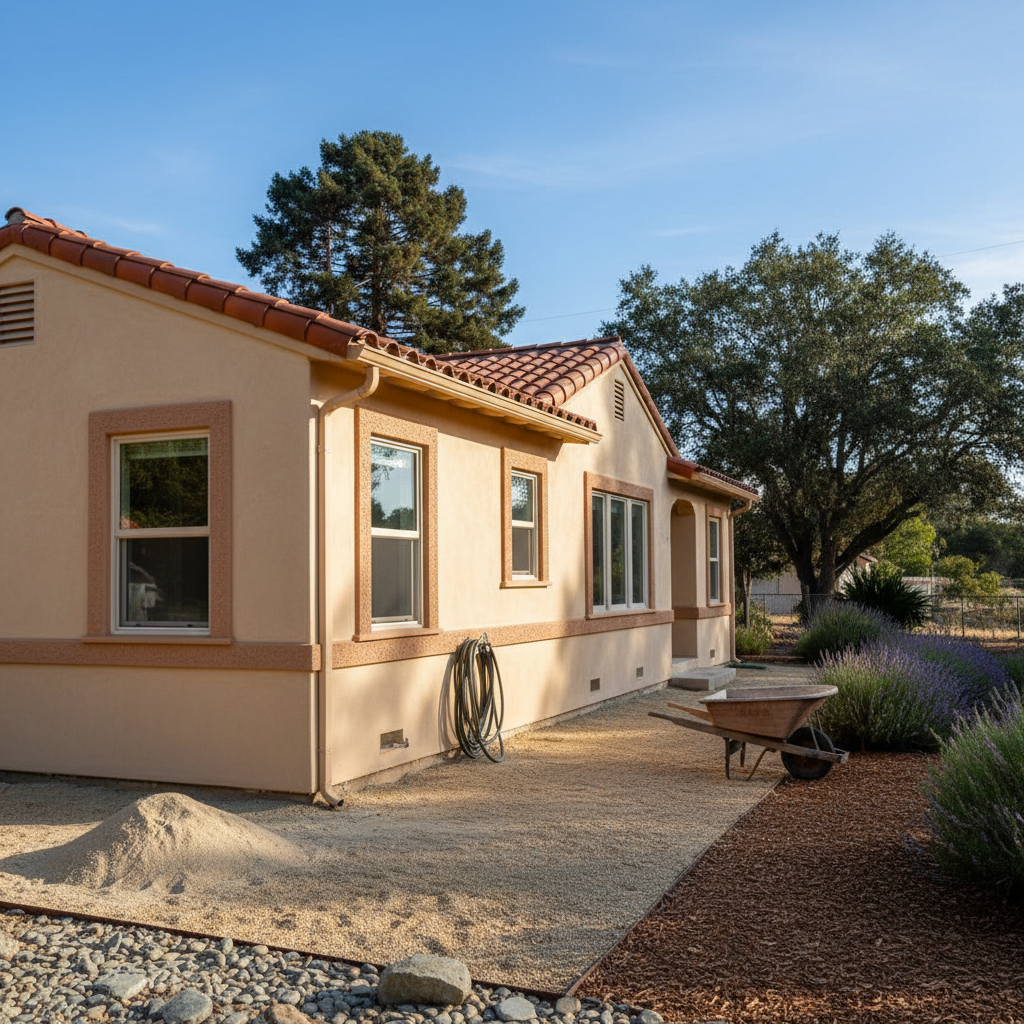
Why Timing Your Stucco Project Matters in Santa Cruz
So, you're thinking about new stucco? That's fantastic! But hold on a second before we dive into colors and textures. First, we need to chat about timing. Here in Santa Cruz, our climate is pretty unique — not at all like, say, the Central Valley. We've got our famous fog, those marine layers, and temperatures that are usually mild, which is lovely but can be a bit tricky for construction. These aren't just scenic backdrops; they really affect how well your stucco goes on and how long it actually lasts.
I've seen it happen countless times: people jump into a project without really thinking about the weather, and that can cause all sorts of headaches later on. Stucco isn't something you just slap up; it's a whole system that needs specific conditions to cure just right. Mess that up, and you might end up with cracks, delamination, or a finish that simply doesn't hold up. So, let's figure out the best time to get this work done and what exactly we need to watch out for.
The Best Time for Stucco Installation Around Here
Generally speaking, you'll want to aim for moderate temperatures and not too much humidity. For us in Santa Cruz, that usually means late spring, summer, and early fall — basically, May through October. During these months, we typically get warmer days and less of that heavy morning fog, which can really slow down a project.
Why is this ideal? Well, stucco needs to dry and cure at a consistent pace. If it dries too fast (like in super hot, dry conditions, though we rarely see those here) or too slowly (because of cold or high humidity), it weakens the whole thing. Our typical summer days, with temperatures hanging out in the 60s and 70s, are pretty much perfect. The materials can breathe, cure evenly, and bond correctly to your home's walls.
I've worked on plenty of projects in neighborhoods like the Westside, where that marine layer sometimes lingers a bit longer. Even then, the sun usually breaks through by midday, giving us good working conditions. It's all about being smart and working with the local conditions, you know?
Weather Conditions That Affect Stucco Work
Okay, so we've got our ideal window. But what specific weather elements are we actually keeping an eye on?
- Temperature: We can't apply stucco when temperatures dip below 40°F or climb above 90°F. Below 40°F, the water in the mix can freeze, which ruins the cure. Above 90°F, it dries way too fast, often leading to shrinkage cracks. Thankfully, our coastal temps rarely hit those extremes, which is a real bonus for stucco work.
- Rain: This is a huge one. You absolutely cannot apply stucco in the rain, or if rain is expected within 24-48 hours after we apply it. Water getting in during the curing process can lead to a weak finish, efflorescence (those annoying white powdery stains), and problems with adhesion. If the forecast looks even a little iffy, we'll reschedule. It's just not worth the risk, ever.
- Humidity: High humidity, especially when it's also cool, really slows down the drying process. This isn't necessarily a deal-breaker, but it means we have to adjust our schedule, allowing more time between coats. Our morning fog definitely plays a role here, so we often start later on those heavy fog days to give things a chance to dry out.
- Wind: Strong winds can make stucco dry too quickly, much like hot temperatures. It also makes it tough to apply evenly. We'll often put up windbreaks if it's a particularly blustery day, especially for homes exposed along the bluff.
Protecting Your Stucco Investment Year-Round
Once your stucco is installed and cured, you've got a fantastic, durable finish. But it's not something you can just forget about, especially with our coastal environment. Here's how to keep it looking great:
- Keep an Eye on Water: This is the most important thing. Make sure your gutters are clean and directing water away from your home. Double-check your sprinklers; they shouldn't be constantly drenching the stucco. Water is stucco's biggest enemy once it's cured, believe me.
- Regular Cleaning: A gentle wash with a hose and a soft brush can work wonders, getting rid of dirt, salt spray, and mildew that can build up, especially on north-facing walls or in shady spots. Just don't use a high-pressure washer – that can damage the finish.
- Address Cracks Promptly: Stucco is tough, but hairline cracks can show up over time from settling or temperature changes. Most are harmless, but if you spot anything wider than a credit card or any signs of water getting in, get it looked at. Small repairs can prevent big problems.
- Trim Vegetation: Keep bushes and trees trimmed back from your stucco. They can hold moisture against the wall, leading to mildew or even physical damage from branches rubbing against the surface.
By understanding how our local Santa Cruz weather affects stucco installation and then taking a few simple steps for maintenance, you'll make sure your home's exterior stays beautiful and protective for decades. It's all about being smart and proactive. If you've got questions about your specific project or what I've seen work best for homes in our area, please don't hesitate to reach out to us at Santa Cruz Stucco & Plastering. We're always happy to share what we know.